Bibliometric Analysis Services for PhD Scholars & Researchers
Struggling to turn hundreds of research papers into a clear, publishable bibliometric study? Our bibliometric analysis service helps PhD scholars, MPhil students, and faculty researchers plan, run, and interpret a rigorous bibliometric analysis — from database selection all the way to the final visualized report.
Whether you need support for a thesis chapter, a standalone journal paper, or a systematic mapping of your research field, our team works with the same databases, software, and methodology standards used in peer-reviewed publications.
What is Bibliometric Analysis?
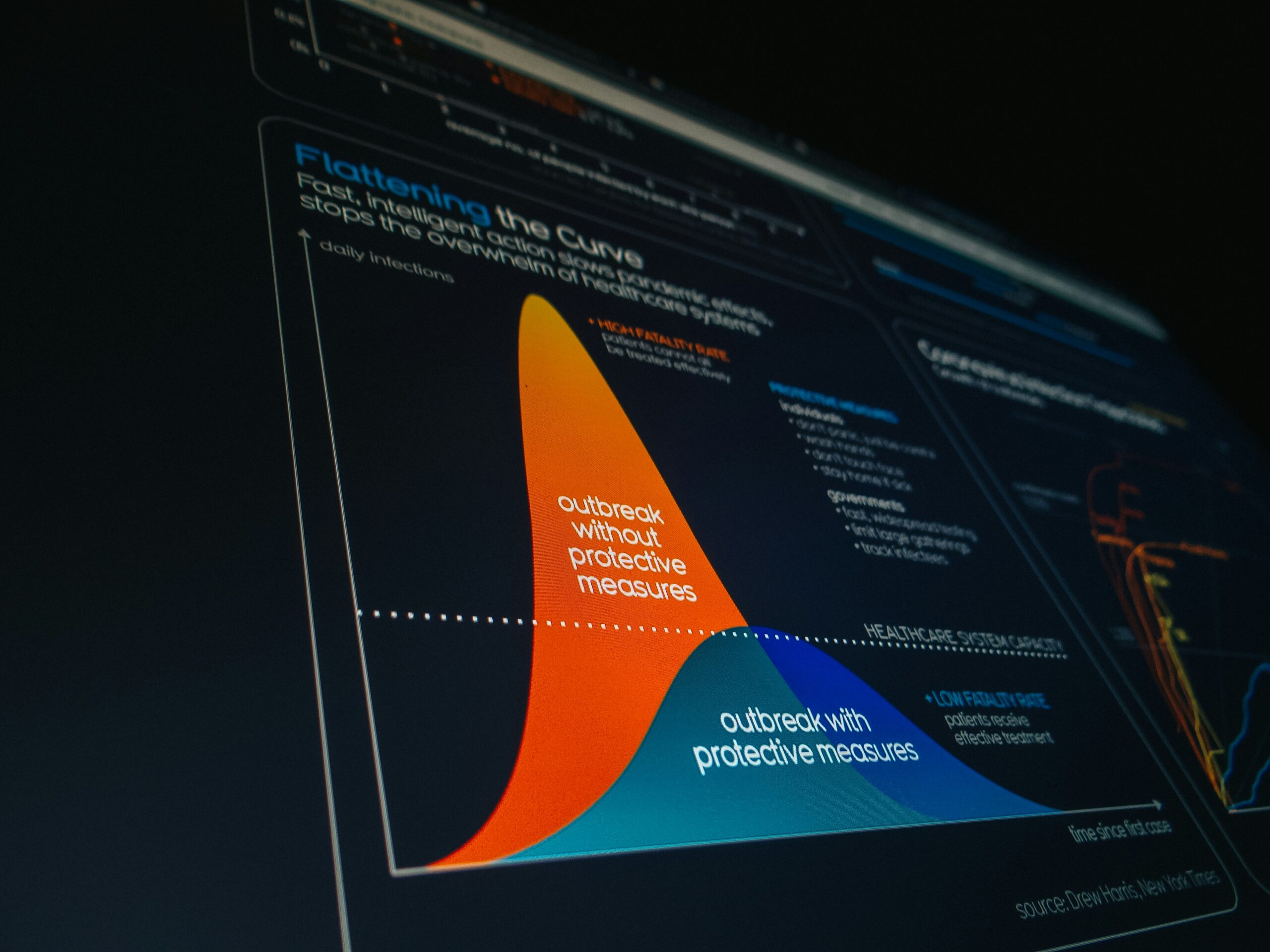
Bibliometric analysis is a quantitative method for studying large volumes of academic literature to uncover publication trends, influential authors, citation patterns, and the intellectual structure of a research field. It’s widely used across business, engineering, medicine, social sciences, and education as an alternative or complement to a traditional systematic literature review, especially when a research area has too many publications to review manually.
It combines performance analysis, such as publication and citation patterns, with science mapping of relationships between authors, keywords and cited works. These patterns need subject-specific interpretation and do not replace critical reading of the literature.
Why Bibliometric Analysis is Important ?
Bibliometric analysis is essential for modern research because it allows you to make data-driven academic decisions.
📈 Measure research impact (citations, h-index)
🔍 Discover emerging research topics
🤝 Identify collaboration opportunities
🏫 Evaluate institutional performance
💡 Support funding and policy decisions
Types of Bibliometric Analysis
Our bibliometric analysis support covers performance analysis and science mapping. The right methods depend on your research question, database coverage and the completeness of your exported records.
Performance Analysis
Summarises publication output, citation patterns and contributions by authors, sources, institutions or countries. Results must be interpreted in light of the database, coverage period and citation date.
Science Mapping
Research relationship methods: citing, co-citing, bibliographic coupling, co-word and co-authorship analysis. Visuals: clusters, topic evolution, knowledge structure.
🪜 How to Conduct Bibliometric Analysis (Step-by-Step)
Share your research question, database export and deadline to discuss the analysis scope.
Step 1: Defining Research Objectives
We start by clarifying your research questions and scope, ensuring your bibliometric study stays focused and aligned with your thesis or journal target
Step 2:-Literature Search & Data Collection
Share your permitted Scopus or Web of Science export, search query, search date and inclusion criteria. We help organise the records and document the scope; database access and export permissions must be confirmed before work begins.
Step 3: Data Cleaning & Preprocessing
We remove duplicate records, standardize author names and affiliations, and prepare your dataset for analysis using R, Python, or Excel — a step that’s often the biggest source of errors in student-led bibliometric studies.
Step 4: Technique Selection
Depending on your research goals, we apply the right combination of:
Co-citation analysis — to identify foundational themes and influential works
Co-word / keyword co-occurrence analysis — to map relationships between research topics
Bibliographic coupling — to detect emerging and current research clusters
Co-authorship analysis — to reveal collaboration networks between authors, institutions, and countries
Step 5: Running the Analysis
We use industry-standard bibliometric software — VOSviewer, Bibliometrix (R), and CiteSpace — to generate accurate, publication-ready results.
Step 6: Visualization
Your findings are translated into clear network maps, density visualizations, and thematic clusters that are easy to interpret and present to your supervisor or examiner.
Step 7: Interpretation & Reporting
We help you write up the findings in a properly structured report or thesis chapter, complete with citations, tables, and discussion aligned with your university’s formatting guidelines.
🔬 Advanced Bibliometric Techniques
Network Analysis
Degree centrality
Betweenness centrality
Eigenvector centrality
PageRank
Clustering Techniques
Hierarchical clustering
Topic modeling
Exploratory factor analysis
Keyword Analysis
Keyword co-occurrence
Trend keywords
Research hotspots
Best Bibliometric Analysis Tools
VOSviewer – Network visualization
Bibliometrix (R package) – Advanced statistical analysis
CiteSpace – Trend detection
Litmaps – Citation mapping
Scopus & Web of Science – Data sources

Academic Research
Identify research gaps
Select journals
Universities
Benchmark performance
Strategic planning
Policy Making
Allocate funding
Evaluate research impact
Industry
Track innovation trends
Competitor analysis
Why Choose PHD Scholar Desk?
Before requesting bibliometric analysis help, agree the dataset, software, analysis settings and outputs needed for your research question.
Research brief: your topic, objectives, date range and target output.
Dataset: the database export, fields included and screening criteria.
Analysis plan: selected networks, counting methods, thresholds and cleaning decisions.
Deliverables: agree which tables, network maps, data files and interpretation notes will be included.
Quote and timing: confirm the fee and deadline after the dataset and scope have been reviewed.
Related support: explore literature review guidance, review article support and academic editing and proofreading.
Bibliometric analysis is a powerful tool for understanding research trends, evaluating impact, and identifying opportunities in academia and industry.
With the right tools, methods, and strategy, you can:
Discover hidden research insights
Prepare a transparent analysis for academic review
Stay ahead in your academic field
👉 Start your journey with PHD Scholar Desk and unlock the full potential of your research.
Prepare your dataset
Read our bibliometric dataset cleaning checklist before discussing maps and analytical outputs.
Bibliometric Analysis Services: Agree Your Deliverables
A useful bibliometric study needs more than a network image. Before work starts, agree which outputs will answer your research question and which files you will receive. Depending on your dataset and approved scope, discuss the following deliverables:
- Search and selection record: database, query, search date, date range, screening criteria and record counts.
- Dataset preparation: a cleaned working collection, duplicate checks and a record of keyword or affiliation standardisation decisions.
- Performance tables: publication trends and relevant source, author or document indicators, with the citation snapshot date stated.
- Science maps: agreed co-authorship, co-occurrence, co-citation or bibliographic coupling networks, subject to the metadata available.
- Methods notes: software version, counting method, thresholds, normalisation and clustering settings used.
- Interpretation support: explanations of patterns, representative papers to examine, and dataset limitations.
- Working files: agree editable tables, map files or R scripts where these are included in the quote and permitted by database terms.
What to Send for a Bibliometric Analysis Quote
Email info@phdscholarsdesk.com with your topic, research question, thesis or manuscript requirements, database, approximate record count, available export fields and deadline. If you have not collected records yet, describe the search you are planning. Share permitted exports rather than database login credentials.
Fees and delivery time depend on dataset size, cleaning needs, analyses, interpretation and requested file formats. Confirm the scope, milestones and revision terms before making payment.
Learn Before You Request Support
- How to do bibliometric analysis: a step-by-step guide
- VOSviewer vs Bibliometrix: choose a tool for your study
- Bibliometric dataset cleaning checklist
Bibliometric Analysis Support: Frequently Asked Questions
Can you help with a thesis chapter or a journal manuscript?
Discuss your research question and intended output so the support can be scoped appropriately. A thesis chapter and a standalone article may need different analysis depth and reporting.
Do I need Scopus or Web of Science access?
Database choice depends on coverage, available metadata and permissions. These databases are common options, but suitable open data sources may also be considered. Confirm compatibility and reference completeness before selecting an analysis.
Which is better: VOSviewer or Bibliometrix?
VOSviewer is useful for constructing and exploring bibliometric networks. Bibliometrix provides an R-based analysis workflow, and Biblioshiny offers a graphical interface. Choose according to your question, outputs and ability to document the workflow.
Can a bibliometric map prove a research gap?
No. A small cluster or missing keyword can reflect database coverage, terminology or selection rules. Read relevant studies and explain the substantive limitation before claiming a gap.
Is journal acceptance guaranteed?
No. Acceptance depends on the journal’s scope, originality, methodological quality, editorial decisions and peer review. Research support can help preparation but cannot guarantee publication.
Who owns the research and final interpretation?
You retain responsibility for your research question, data permissions, interpretation and submitted work. Follow your university or journal rules for assistance, acknowledgements and authorship.
Discuss your dataset and required outputs: Request a bibliometric analysis quote or contact us on WhatsApp.